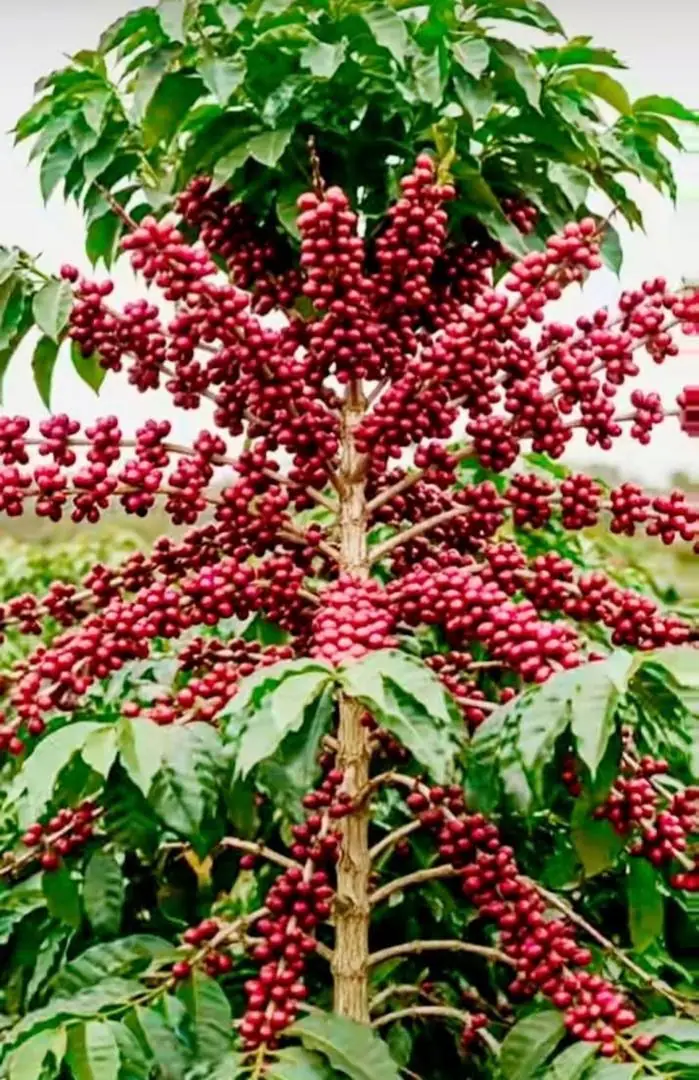
From cherry to cup
The complete overview: the stages that carry coffee from ripe fruit through processing, roasting and evaluation.
Read complete guideField Notes
Eleven practical guides on Kilimanjaro origin, coffee processing, roast profiles, cupping, green coffee, brewing and keeping coffee fresh.
Browse the guide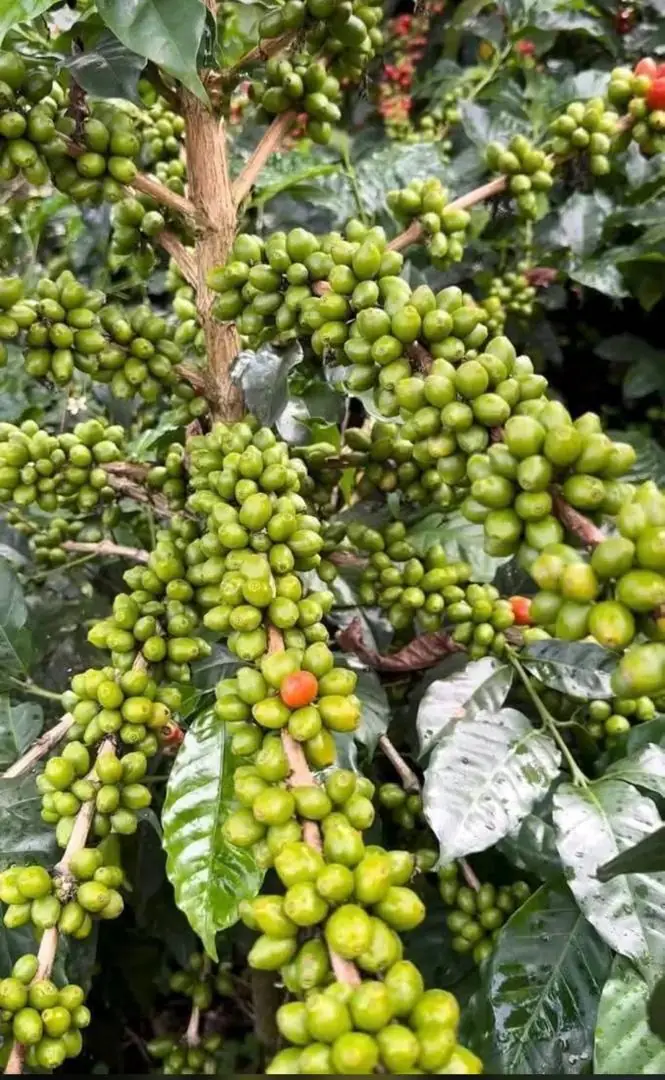
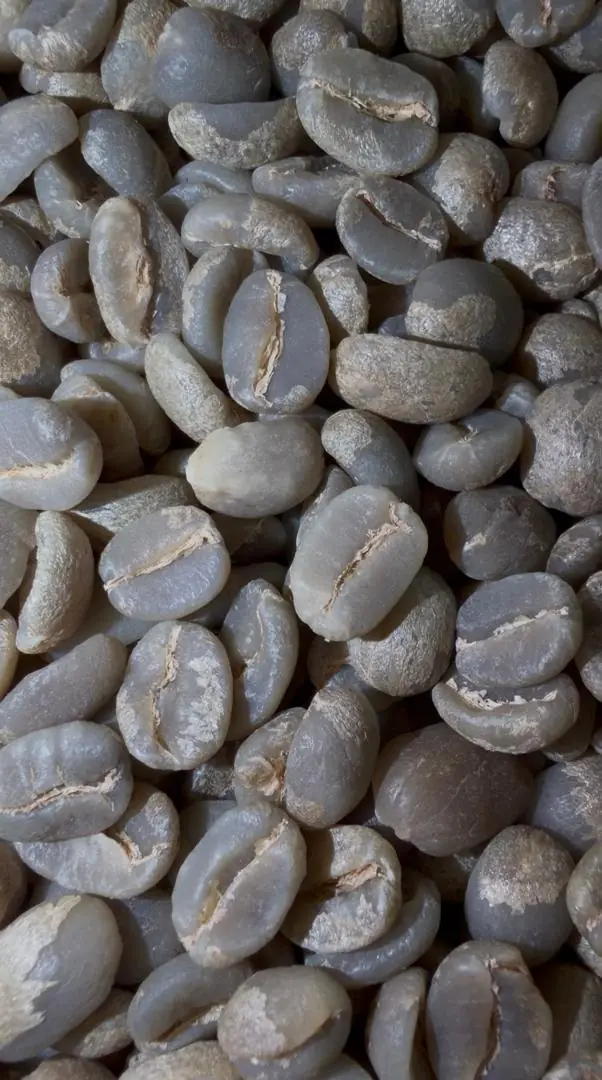
Coffee guide
The complete overview: the stages that carry coffee from ripe fruit through processing, roasting and evaluation.
Read complete guide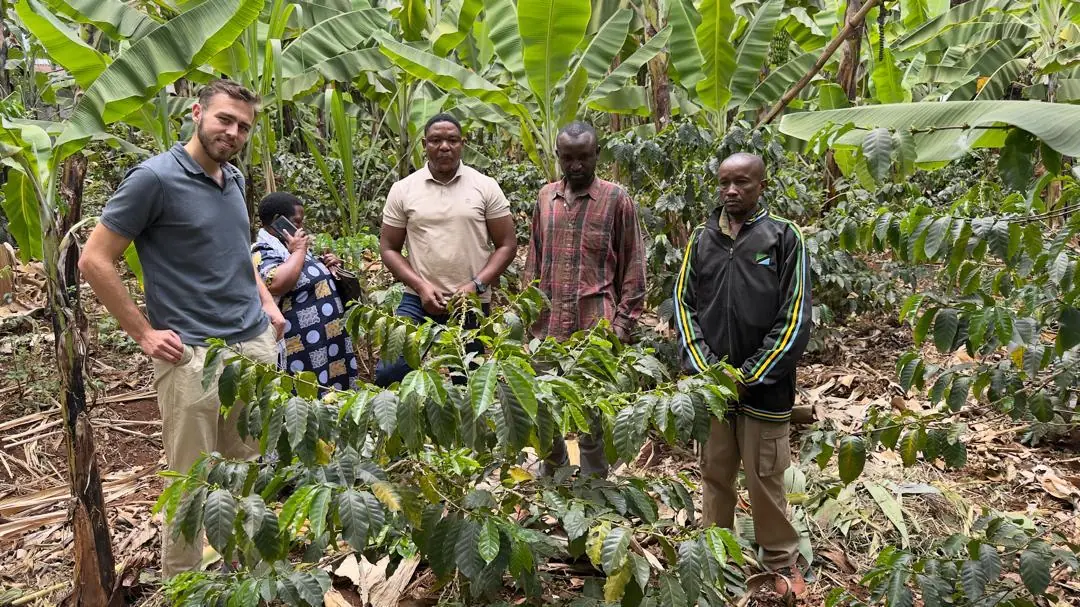
Why slower ripening at 1,500–2,000 metres builds a denser bean, and what that does to acidity and sweetness.
Read field notePulping, fermentation, washing, drying — and the difference between washed, natural and honey coffee.
Read field note
Light, Medium, Medium-Dark or Dark — what separates them, and one question that usually settles it.
Read field note
Why samples are lined up identically, what tasters score, and how to run a simplified version at home.
Read field note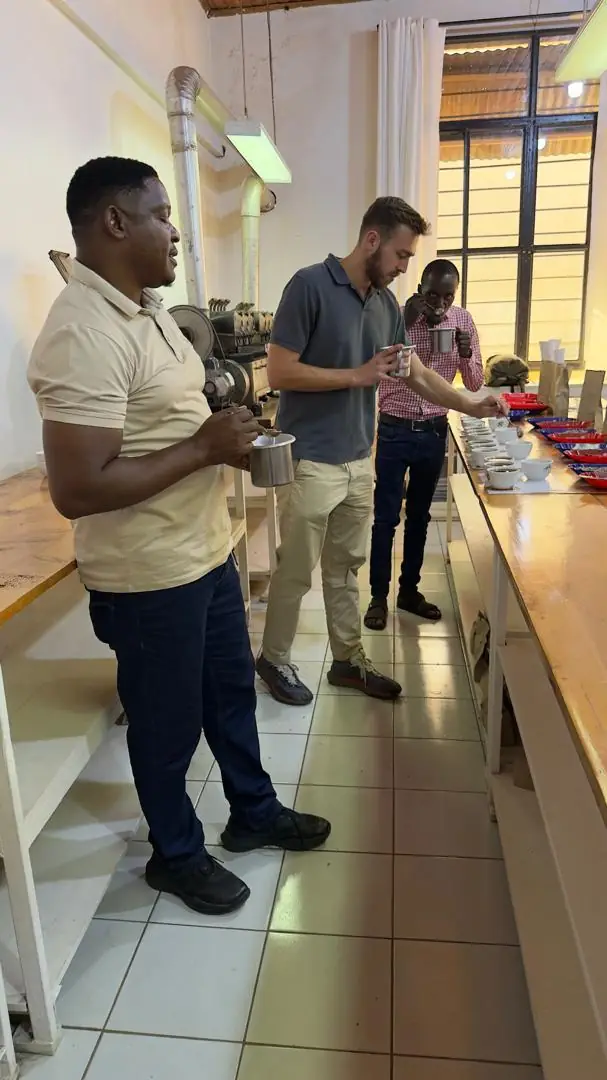
Three dials, starting numbers for five brewers, and how to fix a cup that came out sour or bitter.
Read field note
The four enemies of a roasted bean, why the fridge is the worst place for it, and when freezing works.
Read field note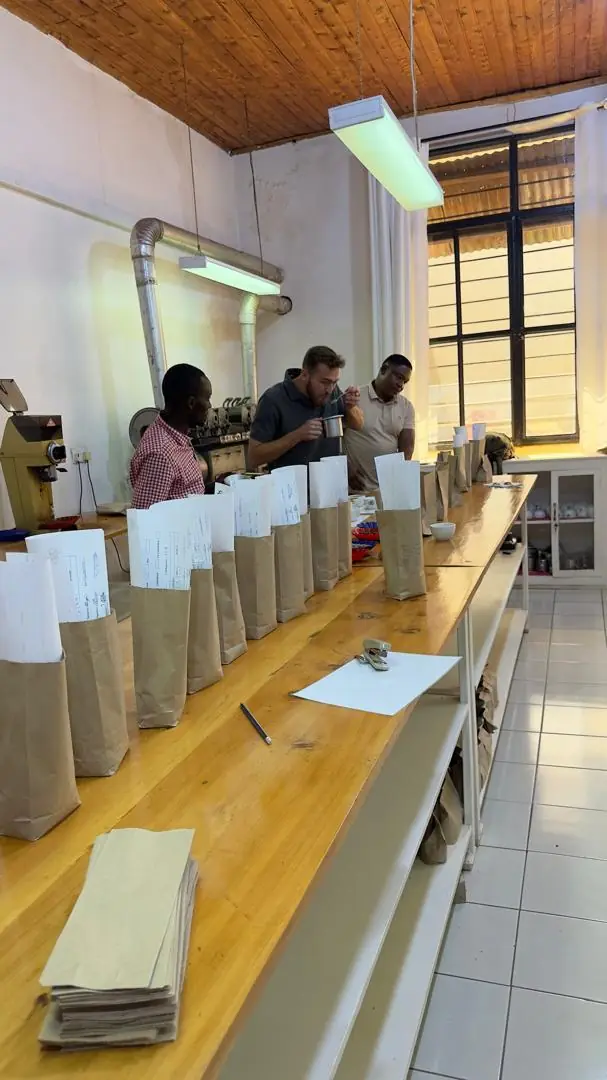
Eight or ten facts on a bag. Three of them predict the cup; here is how to tell which.
Read field noteFlowering, ripening, picking and milling — the Kilimanjaro coffee year, and why the month matters.
Read field note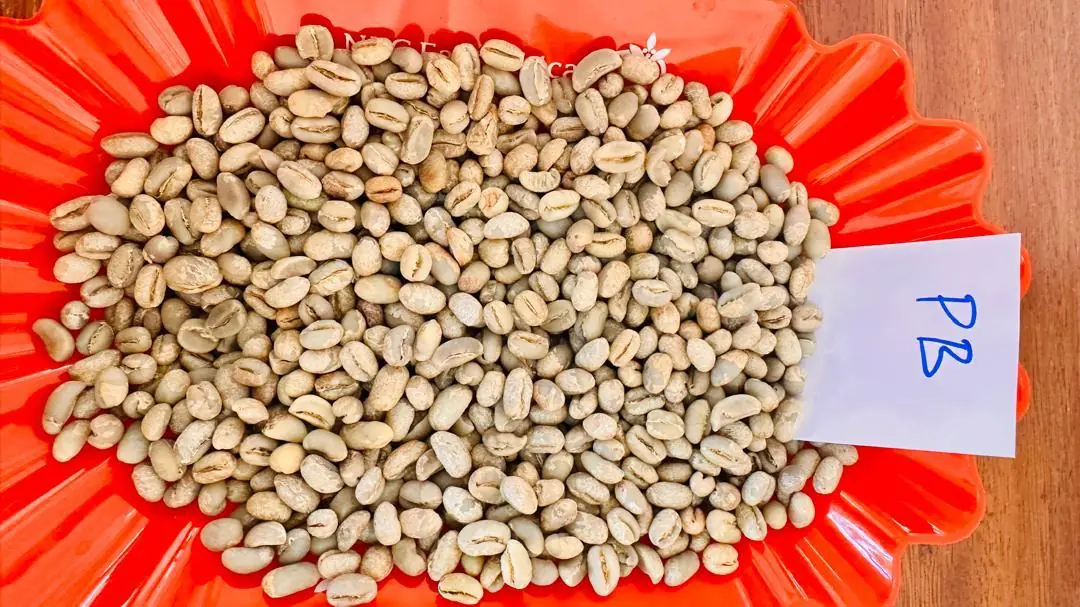
Moisture, water activity, screen size, defect count, crop year — the questions to ask before you commit.
Read field noteSpecies, variety, cultivar — plus the varieties associated with Kilimanjaro, and why peaberry is not one.
Read field noteYour questions
Suggest a field note about Rocky Coffee, Kilimanjaro origin, processing, roasting or brewing.