A specialty coffee bag usually carries eight or ten pieces of information. Three of them genuinely predict how the coffee will taste. The rest are context, marketing, or legally required. Knowing which is which makes shopping for coffee much less like guessing.
Roast date, not best before
Start here, because it is the one that matters most and the one most often missing.
A best-before date is a statement about packaging and safety. It is usually set a year or more out, and coffee at eleven months is perfectly safe and almost entirely flavourless. A roast date tells you how old the coffee actually is, which is the only thing you needed to know.
If a bag shows only a best-before date, you can sometimes work backwards, but it is simpler to ask. A roaster who knows the roast date will tell you.
Origin, and how specific it is
Specificity is the signal here, not the place name. In rough order of how much it tells you:
- “Arabica”, or a blend with no country — tells you almost nothing.
- A country — “Tanzania”. A start.
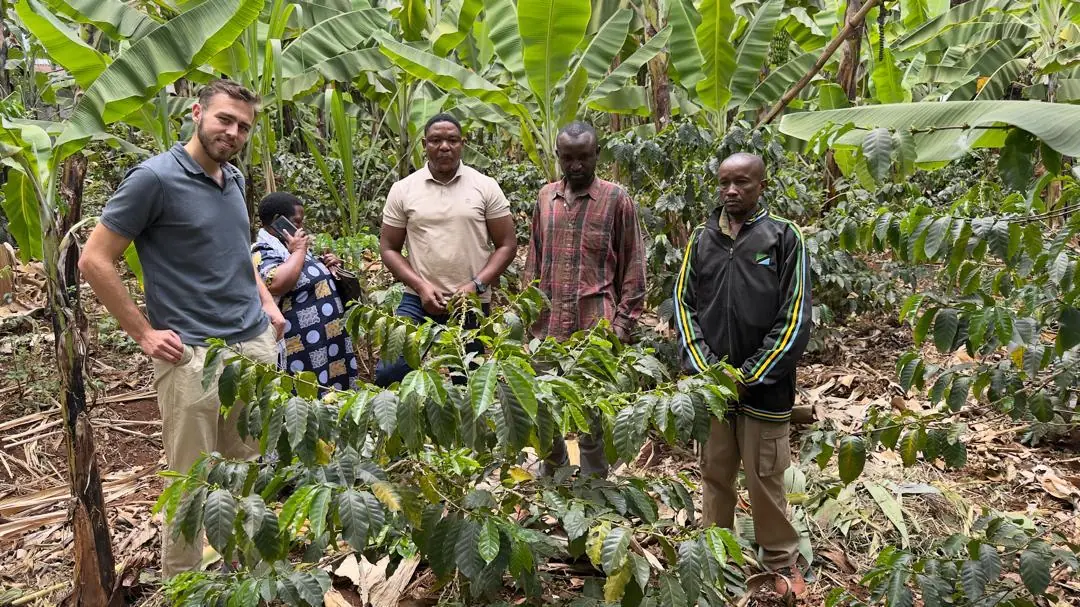
- A region — “Moshi, Kilimanjaro”. Now you know something about altitude and climate.
- A named farm, station or cooperative — the coffee is traceable to the people who grew and processed it.
More specific is not automatically better in the cup, but it does mean somebody kept the lot identifiable, and that usually accompanies the rest of the care.
Altitude
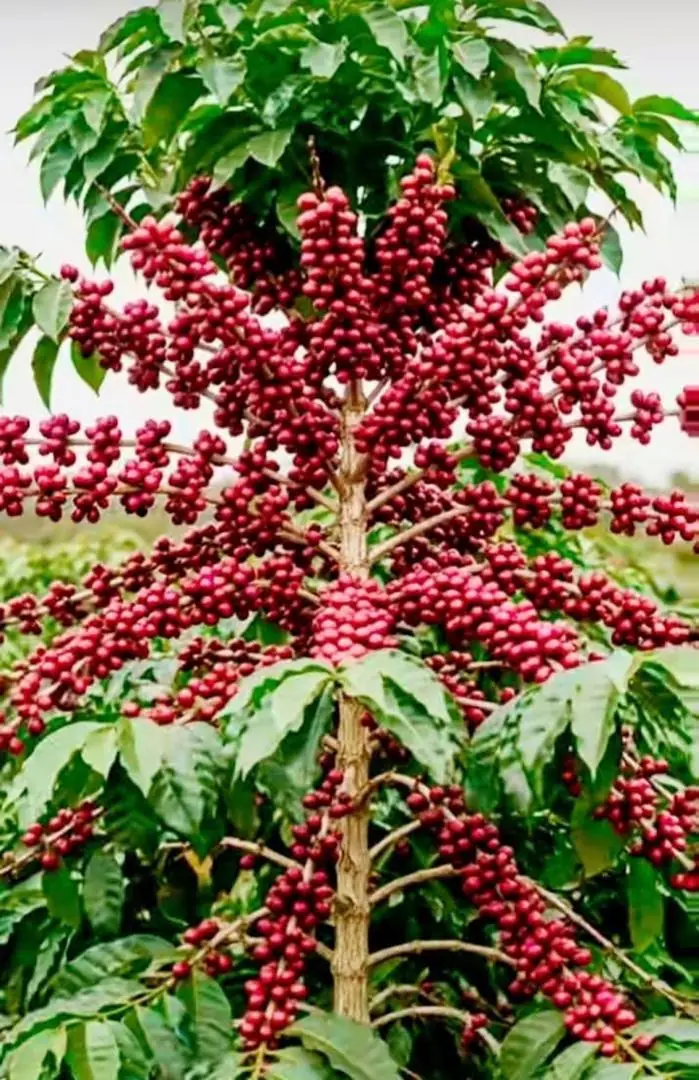
Usually a band in metres. It relates to bean density, acidity and how slowly the cherries ripened — the mechanism is covered in what altitude does to a coffee bean. Rocky’s Arabica sits in the 1,500 to 2,000 metre band on Kilimanjaro.
Process
Washed, natural or honey. This is one of the three lines that genuinely predicts flavour: washed tends toward clarity and acidity, natural toward body and fruit, honey between the two. See what “washed” actually means for the detail.
Variety
The cultivar — Bourbon, Kent, N39, SL28 and so on. Variety sets a ceiling on what a coffee can be rather than determining the cup, and it is the line most often left off a bag entirely because the information stops at the washing station. Worth asking about, not worth paying extra for on its own. More on this in Arabica varieties in northern Tanzania.
Roast level
Words, not measurements: light, medium, medium-dark, dark. The important caveat is that one roaster’s “medium” is another’s “light”. Treat the word as a direction within that roaster’s own range, and use the tasting notes to calibrate.
Tasting notes
Descriptors, not ingredients. A bag that says “blackcurrant, cocoa” contains neither — those are the closest familiar references the taster could find for aromas the coffee produces on its own.
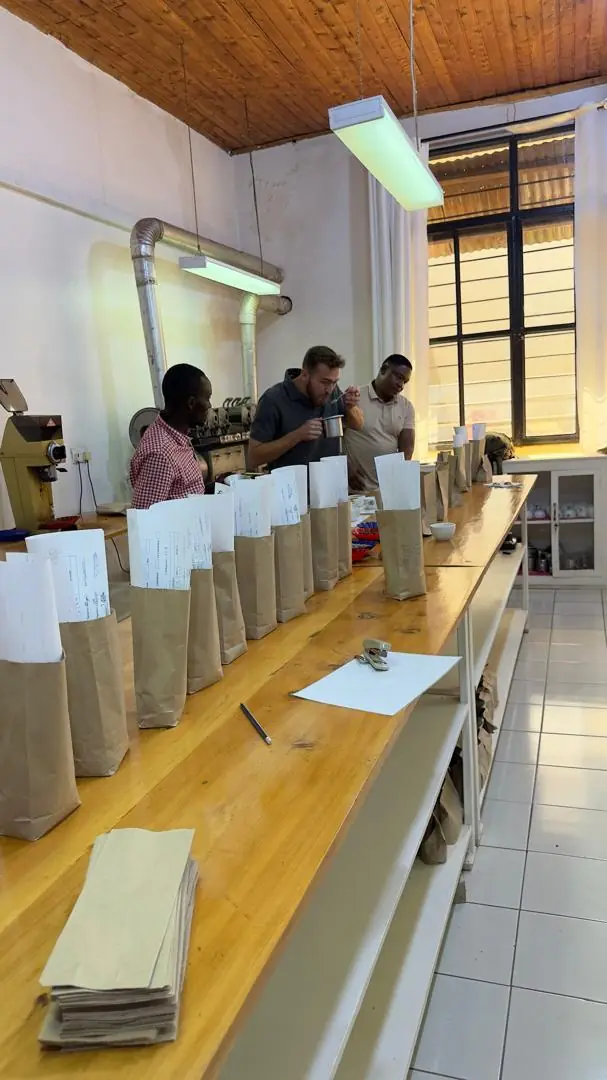
Vague notes such as “rich and smooth” tell you the roaster did not want to commit. Specific notes are a claim you can check, and checking them is a genuinely good way to train your palate: brew the coffee, read the note afterwards, and see whether you can find it.
Whole bean or ground, and net weight
Whole bean keeps far longer — see keeping coffee fresh in the heat. Net weight matters when comparing prices: 200 g, 250 g, 340 g and 500 g bags are all common, and price per bag is not price per kilo.
Certifications
Organic, fair trade and similar marks are claims about farming practice or trading terms. They are meaningful on their own terms and they say nothing at all about how the coffee tastes. Judge the cup separately from the certificate.
What to do when the bag does not say
Ask. Roast date, harvest month, process and altitude are things a roaster either knows or does not, and the answer is informative either way.
For Rocky coffee, the four roast profiles are described in full on the site, and anything not printed — current formats, pack sizes, what is in store this month — is confirmed directly by the team. Prices and availability are deliberately not published as fixed figures, because they change with the harvest year. Contact the team and they will tell you what is on the shelf now.
Questions we get asked
Is a best-before date the same as a roast date?
No. A best-before date describes packaging and safety and is usually set a year or more ahead, by which point the coffee has little flavour left. A roast date tells you how old the coffee actually is, which is the figure that predicts how it will taste.
What does “washed” mean on a coffee label?
It means the fruit was pulped off and the sticky mucilage fermented and washed away before the coffee was dried, rather than the cherry being dried whole. Washed coffee generally tastes clearer and more acidic, with the origin character more exposed.
Do tasting notes mean something was added to the coffee?
No. Tasting notes are descriptions of aromas and flavours the roasted coffee produces by itself. A bag describing blackcurrant or cocoa contains only coffee.