Nearly every specialty coffee bag names a process. Washed. Natural. Honey. The word describes what was done to the fruit in the days after picking, and it is one of the three facts on a label that genuinely predict how the coffee will taste.
First, what is inside a coffee cherry
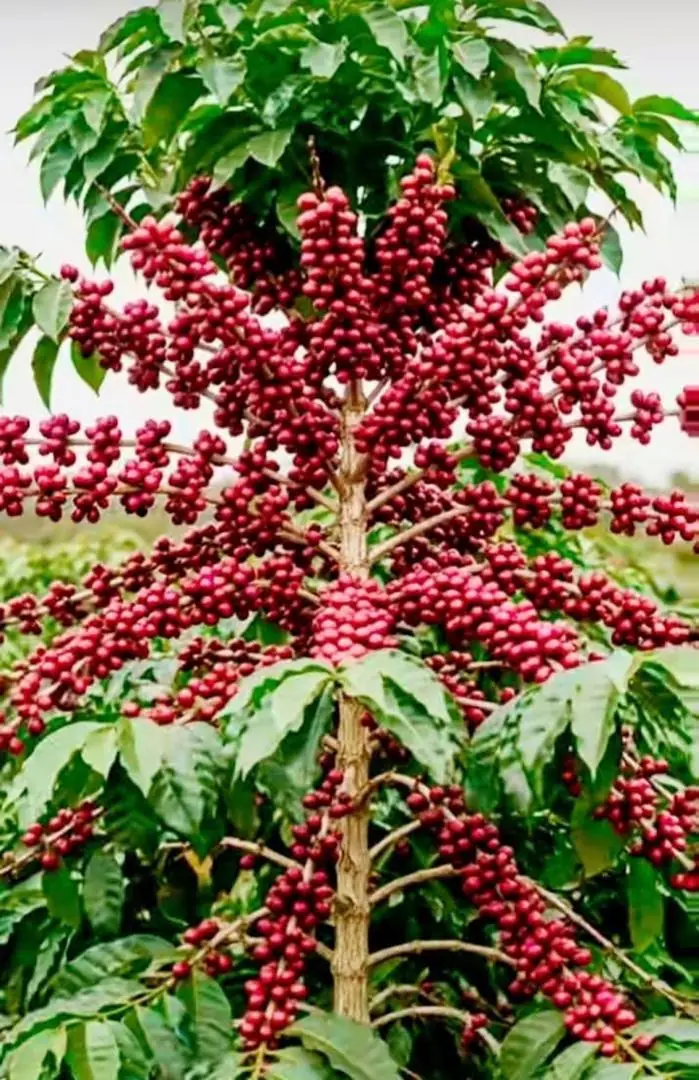
Processing makes much more sense once you know what is being removed. Working from the outside in, a ripe cherry has:
- Skin — the red outer fruit.
- Pulp and mucilage — sweet flesh, and beneath it a sticky sugar-rich layer that clings to the seed.
- Parchment — a papery husk around the seed.
- Silverskin — a thin membrane, visible as chaff after roasting.
- The seed — usually two flat-sided seeds facing each other. This is the coffee bean.
Every process is a different answer to one question: how much of that fruit do you take off, and when?
Washed: take the fruit off first, then dry
The washed route is the classic East African method and the one Rocky’s own origin and process page describes. In sequence:
- Picking. Ripe cherries selected on the tree.
- Pulping. A machine squeezes the skin and pulp away from the seed within hours of picking.
- Fermentation. The pulped coffee rests in tanks, commonly somewhere between twelve and thirty-six hours, while microbial activity breaks down the mucilage. Warm weather shortens it; cool weather lengthens it. This step is watched carefully, because fermentation that runs too long carries over as a sour, boozy flavour.
- Washing. The loosened mucilage is rinsed off in channels or tanks, which also floats off low-density and defective beans.
- Drying. The clean parchment coffee is dried — on raised beds or patios, turned regularly — down to a moisture content of roughly 10 to 12 per cent.
Because the seed dries without fruit attached, washed coffee tends to taste clearer and more acidic, with the character of the origin and the variety more exposed. It is the process that hides the least.
Natural: dry the whole cherry
In the natural, or dry, process the cherry is dried whole and the fruit is only removed at the dry mill, weeks later. The seed sits in its own drying fruit the entire time.
Cups from natural coffee usually read heavier in body, lower in acidity and much more fruit-forward, sometimes with a deliberate ferment character. It demands reliable dry weather and constant turning; a natural lot left too thick or too long picks up mould and over-ferment defects quickly.
Honey and pulped natural: somewhere in between
Here the skin is pulped off but some or all of the mucilage is left on the parchment to dry. The amount left behind is what the colour names refer to — white, yellow, red and black honey, from least to most mucilage retained and generally from fastest to slowest drying.
The result sits between the other two: more sweetness and body than a washed coffee, more clarity than a natural.
Drying is the stage that ruins more coffee than any other
Whichever route a lot takes, it ends in drying, and that is where the most value is lost. The target is a moisture content around 10 to 12 per cent:
- Dried too fast or too hot and the outside of the parchment sets while the inside stays wet — case hardening. The bean roasts unevenly afterwards.
- Dried too slowly, or left above about 12.5 per cent and the lot is exposed to mould and will stale fast in storage.
Properly dried coffee is then usually rested in parchment for a few weeks before milling, which settles the moisture through the bean.
Can you actually taste the difference?
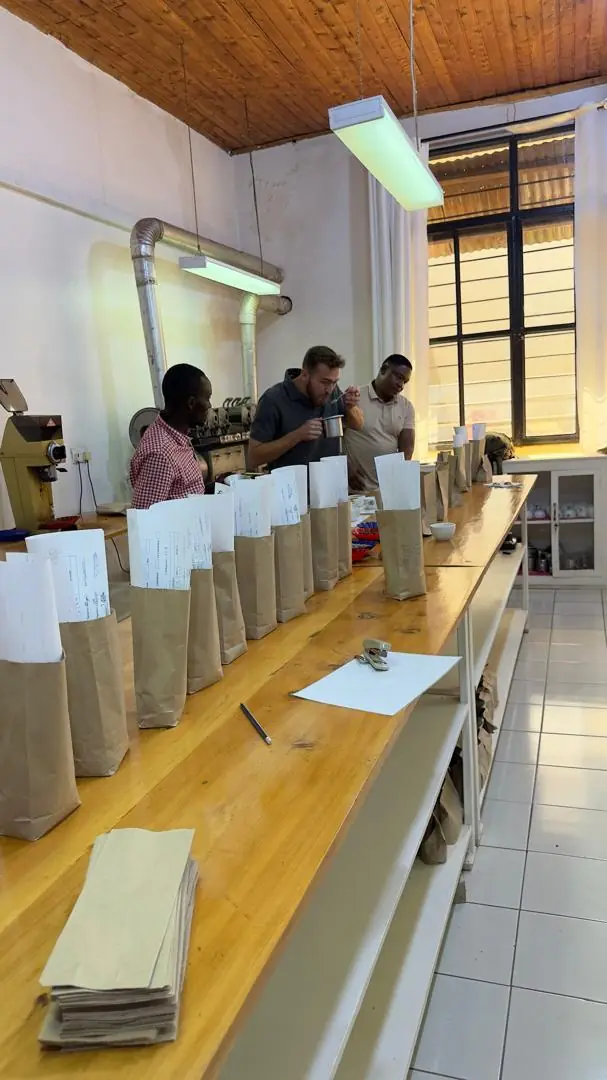
Clearly, but only side by side. Brewed a week apart, two processes are hard to compare honestly — memory is a poor instrument. Put them next to each other at the same grind, ratio and temperature and the difference is immediate. That is the whole reason the industry cups coffee rather than simply drinking it.
Questions we get asked
Which process does Rocky Coffee use?
The process described on the Rocky Coffee origin page follows the washed route: ripe-cherry selection, pulping, fermentation, washing and drying before the green coffee is prepared for roasting. Processing can vary between individual lots, so ask the team which lots are currently available.
Is washed coffee better than natural coffee?
Neither is better. Washed coffee generally tastes clearer and more acidic and shows the origin more plainly; natural coffee generally tastes heavier and more fruit-forward. Which one you prefer is a matter of taste, not quality.
Does processing change the caffeine content?
Not meaningfully. Caffeine is in the seed, and processing removes the fruit around it. Variety and species make a far bigger difference — Arabica carries roughly half the caffeine of robusta.