Cupping is not tasting for pleasure. It is a fixed procedure whose entire purpose is to make sure that when two cups taste different, the only thing that was different is the coffee.
Why the format never changes
Grind, dose, water volume, water temperature, steep time and vessel are all held constant. Anything you vary becomes a competing explanation for what you taste. Hold everything steady and a difference in the cup can only have come from the lot in front of you — its origin, its processing, its harvest, its storage.
That is also why cupping is done with a spoon and in silence at first. The question is not whether you like it. The question is what is there.
Preparation
Sample roasting
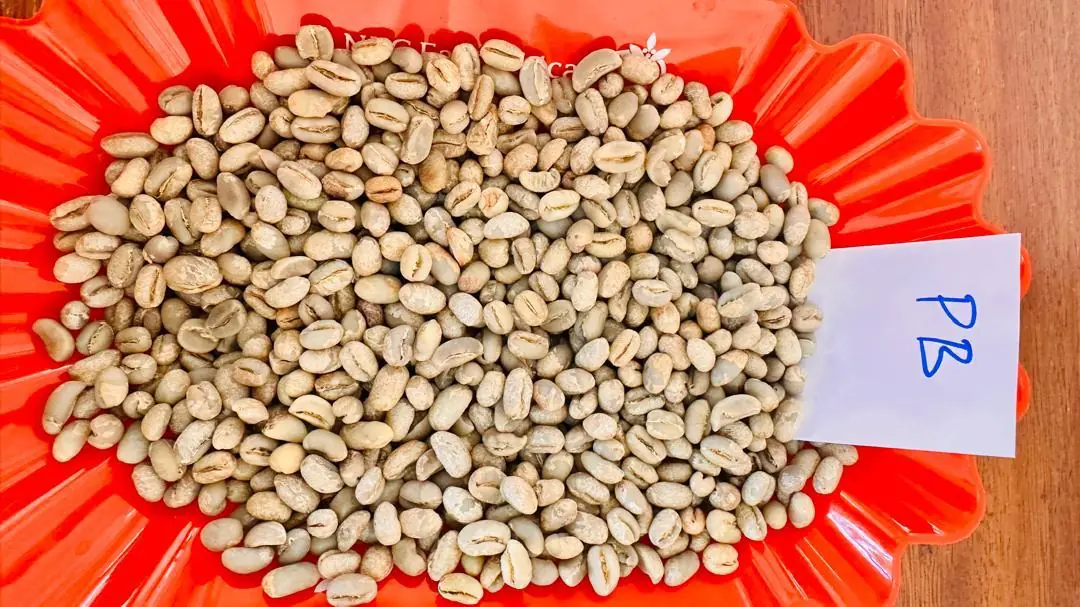
Each lot is roasted to a light-to-medium level on a small sample roaster — deliberately not to a finished commercial profile, because roast character would mask the coffee. The samples then rest, commonly between eight and twenty-four hours, so they can degas.
Grinding and dosing
Coffee is ground coarse to medium immediately before the water goes on, because ground coffee loses aroma within minutes. The standard specialty ratio is about 8.25 grams of coffee to 150 millilitres of water — roughly 1:18 — weighed rather than scooped.
Five bowls per sample
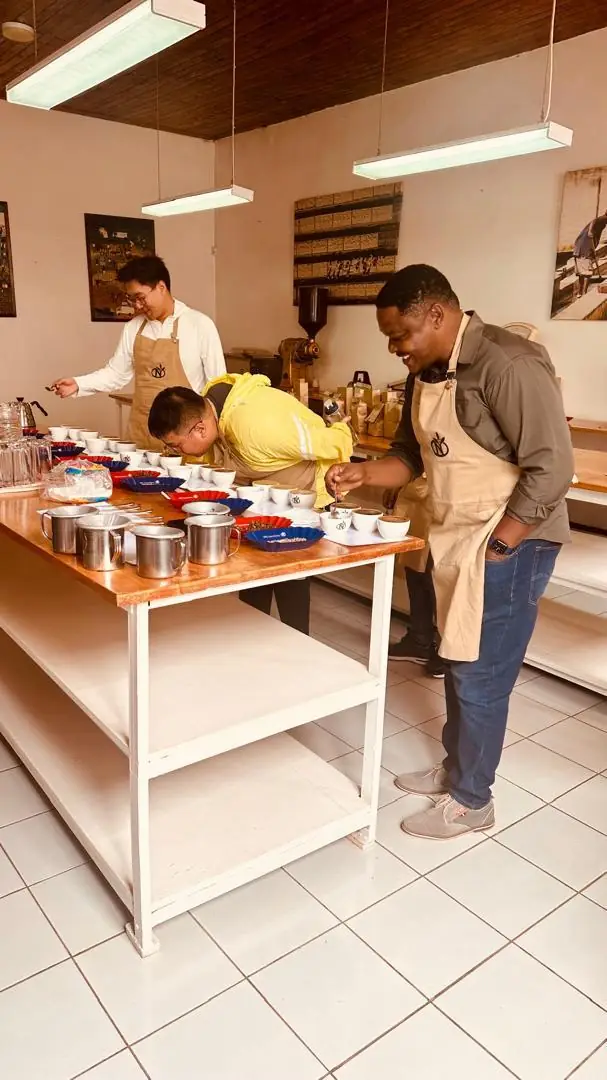
The same lot is set up in five identical bowls. A single defective bean can taint one cup and not the others, so five bowls reveal whether a fault belongs to the lot or to one bean. This is what uniformity and clean cup scores are measuring.
The sequence
- Dry aroma. Smell the dry grounds before any water. This is fragrance.
- Pour. Water just off the boil, around 93 °C, poured over all grounds at once. Smell again — the wet aroma is different from the dry.
- Steep, four minutes. Untouched. A crust of grounds forms on the surface and traps aroma underneath it.
- Break the crust. Push the crust back with a spoon and put your nose directly over the bowl as the trapped aroma releases. For many tasters this is the most informative moment of the whole session.
- Skim. Lift off the floating grounds and foam.
- Taste as it cools. Start around 70 °C and keep returning. Sweetness, acidity and defects all present differently at different temperatures, and a coffee that is pleasant when hot can reveal problems at room temperature.
What gets scored
A specialty cupping form asks for separate judgements rather than one overall impression:
- Fragrance and aroma — dry grounds, and the wet crust.
- Flavour and aftertaste — what is there, and what remains.
- Acidity — its quality and whether it belongs, not simply its quantity.
- Body — weight and texture on the palate.
- Balance — whether the parts work together.
- Sweetness, uniformity and clean cup — assessed across all five bowls.
- Overall — the taster’s own judgement.
Defects are then subtracted. A single sour, mouldy or phenolic cup costs a lot more than a slightly dull one, because a defect is a failure somewhere in picking, fermentation, drying or storage rather than a matter of taste.
And the slurping
It is not theatre. Drawing the coffee in sharply with air spreads it across the whole palate at once and pushes aroma up into the nasal passage from behind, where most of what we call flavour is actually perceived. A polite sip gives you a fraction of the information.
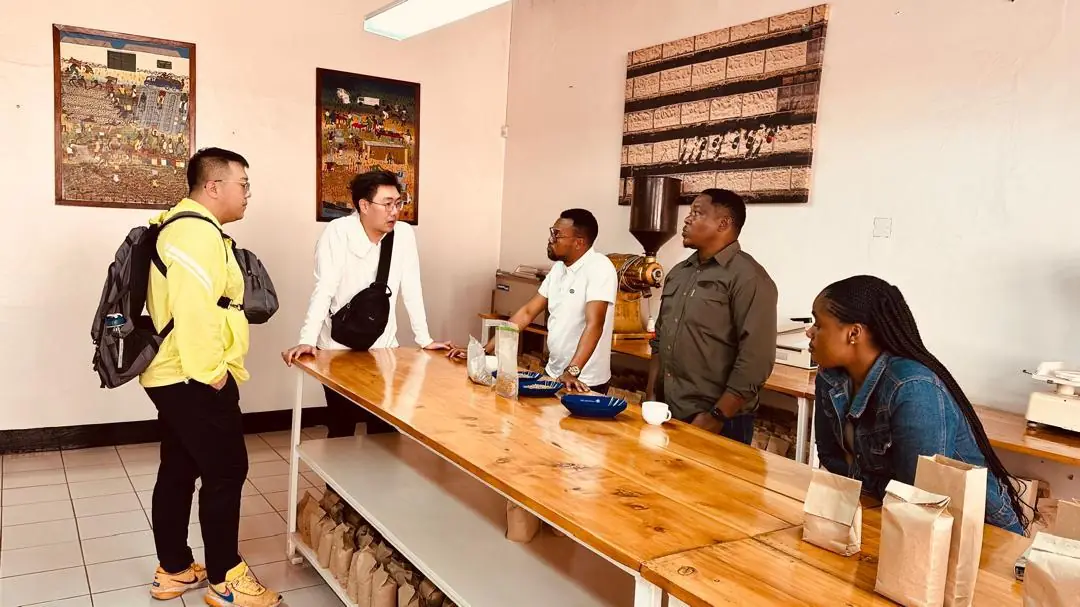
Cupping at Rocky Coffee
Cup evaluation is the last step in the sequence described on Origin & Process, and it is where decisions about lots and roast profiles get made. Keeping lots identifiable all the way from green coffee to the sample table is what makes those comparisons possible at all.
If you would like to see it rather than read about it, visits are arranged in advance — the Visit Us page explains how, and the team will confirm what is on the table when you come.
A simplified version you can run at home
You do not need a lab. You need two coffees and a scale.
- Two identical mugs. Weigh 11 g of coffee into each, ground the same, medium-coarse.
- Add 200 ml of water just off the boil to each at the same moment.
- Wait four minutes. Break the crust with a spoon and smell both immediately.
- Skim the surface. Taste both with a spoon as they cool, going back and forth.
Compare two roast profiles this way once and you will know which direction you actually prefer.
Questions we get asked
Can I join a cupping at Rocky Coffee?
Visits are arranged with the team in advance rather than dropped in on, so that timing can be confirmed and samples prepared. Contact Rocky Coffee through the Visit Us page with your preferred date and group size, and the team will confirm what is available.
Do I need special equipment to cup coffee at home?
No. Two identical mugs, a kitchen scale, a spoon and a kettle are enough to compare two coffees side by side. The equipment matters far less than keeping the grind, dose, water and timing identical between the two cups.
What does “clean cup” mean on a cupping form?
It means the cup is free of off-flavours from the first sip through to the aftertaste. It is scored across all five bowls of a sample, because a single tainted bowl points to a defect in the lot rather than to a difference in taste.