This one is for roasters, cafés roasting their own, and anyone enquiring about green coffee for the first time. Buying green is a different exercise from buying roasted coffee: you are judging potential, and you are taking on responsibility for storage and roasting yourself.
Start with a sample, not a price
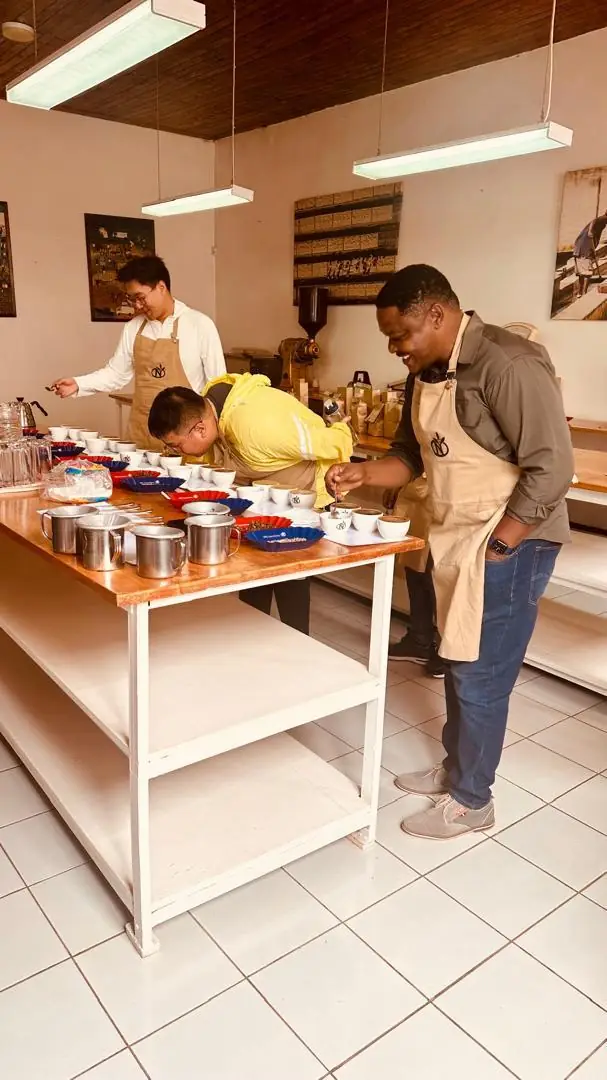
Ask for a sample before anything else. For a lot you are seriously considering, a few hundred grams is the usual starting point — enough to sample-roast at least twice and still have coffee left to cup properly.
Roast it the way you would roast it in production, not the way it flatters best. A sample that only works at one very specific profile is a sample that will frustrate you at volume.
The numbers worth asking for
Moisture content
Between roughly 10 and 12 per cent is the normal safe band for green coffee. Below about 9 per cent the coffee has usually been over-dried and tends to roast unevenly and taste flat. Above about 12.5 per cent it will not keep — the mould risk rises and the coffee stales quickly, whatever it cups like today.
Water activity
Moisture content tells you how much water is in the bean; water activity tells you how much of it is available to microbes. A figure at or below about 0.60 is the usual storage target, and it predicts shelf life better than moisture content alone. Not every seller measures it — ask, because the answer itself is informative.
Screen size and uniformity
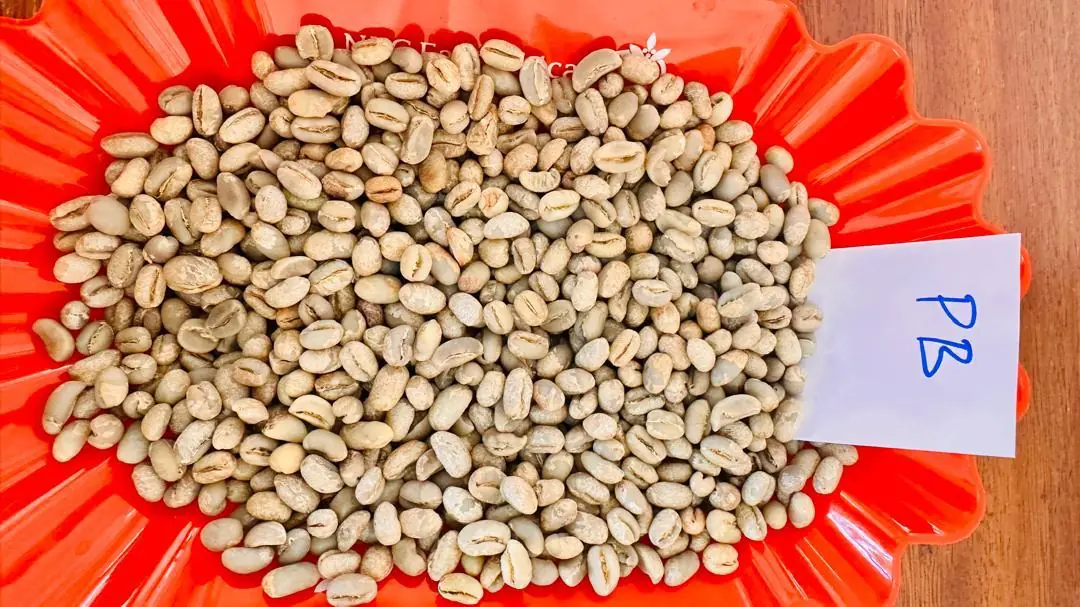
Screen size is bean size, measured in sixty-fourths of an inch. Bigger is not better, but consistent very much is: a lot with mixed bean sizes roasts unevenly, because small beans reach a given stage before large ones in the same batch.
Defect count
Green grading counts defects in a fixed sample weight and separates them into categories by severity. Specialty grading is strict about the serious ones — blacks, sours, pods, severe insect damage — and allows only a small number of lesser defects. Ask for the grading result, and ask what sample size it was counted on.
Crop year and harvest month
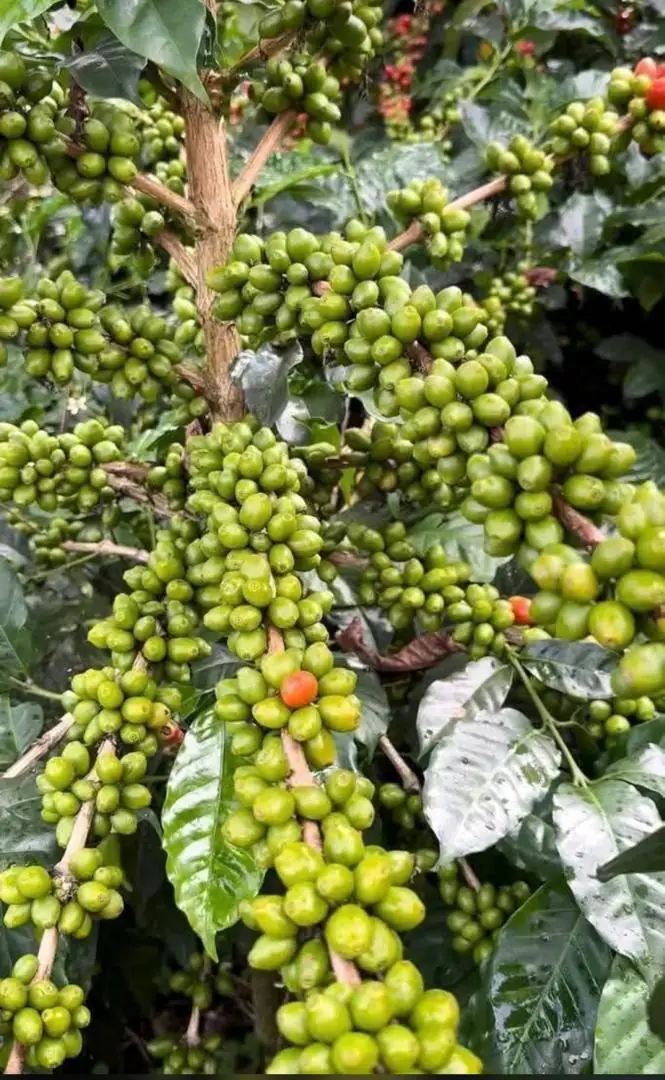
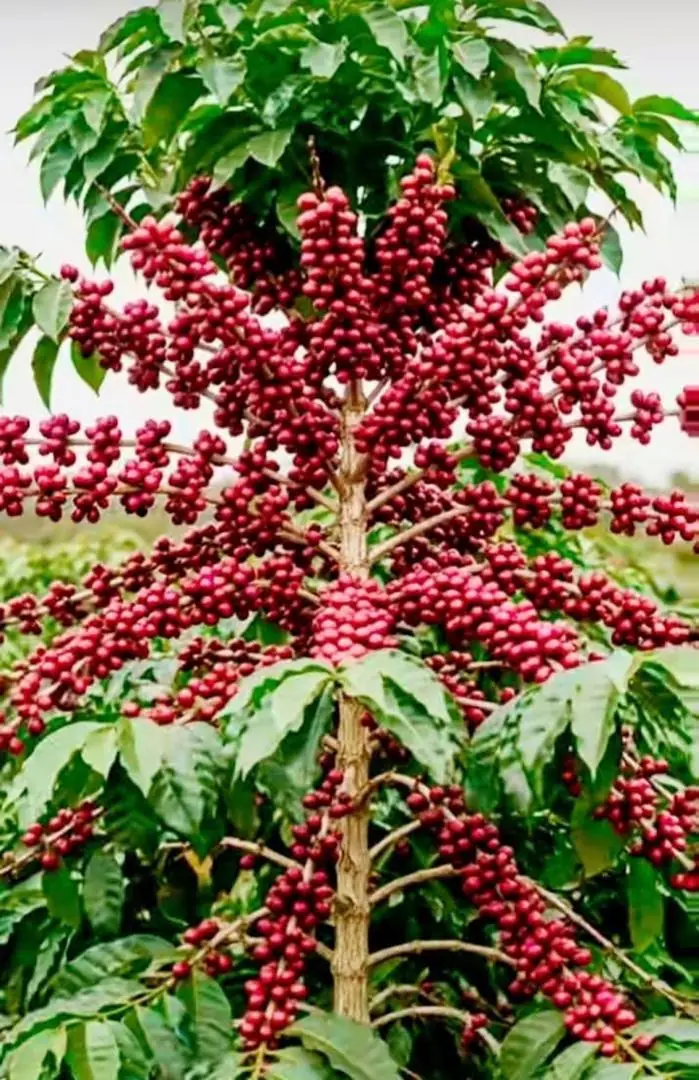
The single most useful question, and the most often skipped. Current-crop coffee cups brighter and sweeter; past-crop coffee flattens and can develop a woody, papery or baggy character. “Current crop” is a claim — the harvest month is a fact. Ask for the month, and see the Kilimanjaro harvest calendar for how the local year runs.
Lot identity
Beyond the numbers, ask what the lot actually is:
- The process, and how it was dried — raised beds, patio, mechanical.
- The altitude band it grew at.
- Whether it is a single farm or station, or a blend of deliveries pooled under one name.
- The variety, if it is known.
- How long it has been in store since milling, and where.
None of these have a single right answer. They just tell you what you are buying, and whether the next bag will resemble this one.
Packaging and transit
Green coffee ages faster in plain jute than in a barrier liner. If a lot is going to sit for months, or travel through a hot, humid port, ask whether it is packed with a liner and how it will be stored between purchase and delivery. Temperature swings and humidity in storage undo good drying.
The commercial questions
- Minimum quantity, and what sizes it breaks into.
- Lead time from agreement to delivery.
- Who pays for samples and shipping of samples.
- For export: which documents come with the lot, and who arranges them.
- Whether more of the same lot will be available if it works, or whether this is all of it.
Enquiring with Rocky Coffee
Green coffee availability, quantities and terms are confirmed directly rather than published as fixed figures online, because they change with the harvest and with what is in store. The marketplace page is the place to start a green-coffee enquiry, or contact the team directly.
The more of the above you include in your first message — where you are, what volume you are looking for, what you intend to roast it for, and when you need it — the more useful the first reply will be.
Questions we get asked
Do you publish green coffee prices online?
No. Green coffee availability, quantities, pricing and terms change with the harvest and with what is currently in store, so they are confirmed directly by the Rocky Coffee team rather than listed as fixed figures on the website.
What quantity can I start with?
That depends on what is in store at the time. Include your location, the volume you are looking for and your timing in the enquiry, and the team will confirm the closest current option and the minimum they can break a lot into.
Can green coffee be supplied outside Tanzania?
Tell the team where you are, what volume you need and when, and they will confirm what is possible. Export involves documentation and lead times that depend on the quantity and the destination, so it is answered case by case rather than promised in advance.